English
 French
Recent activities
13th
10/2025
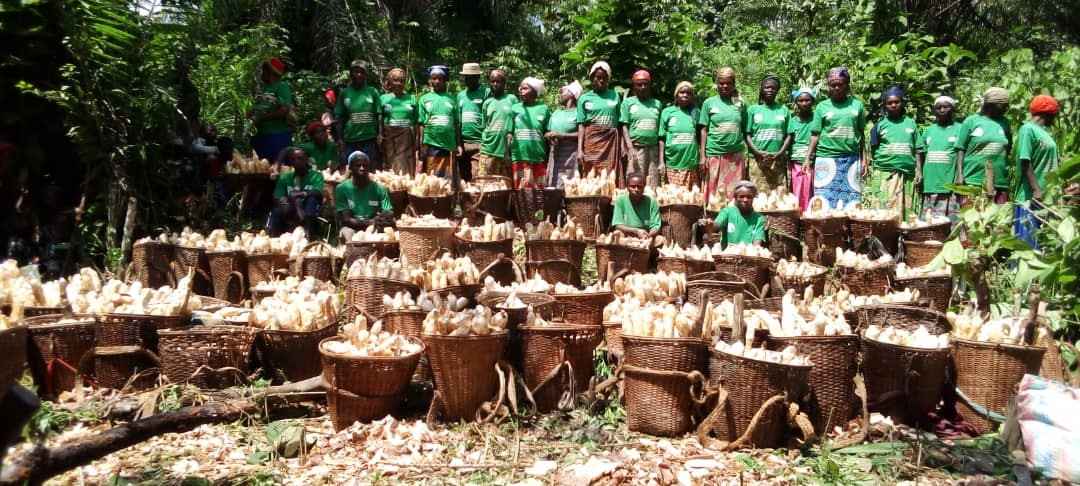
Following the training in agroecological techniques, the women acquired technical knowledge and farming practices that allowed them to improve their production while safeguarding biodiversity.
Read more 13th
10/2025
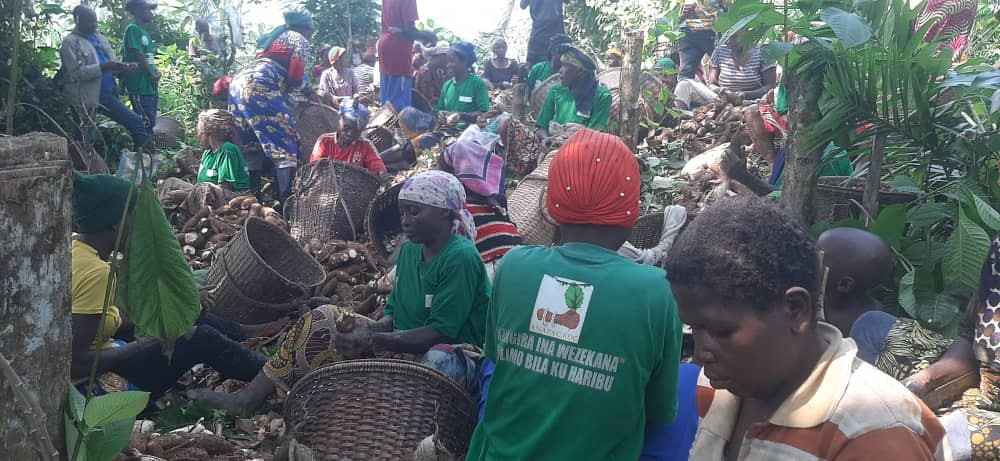
Indigenous and rural women are responsible for implementing the initiative's activities and developing production and value-addition strategies. For example, they harvested six hectares of cassava tubers, which they then processed and sold, thereby increasing their income.
Read more 13th
10/2025
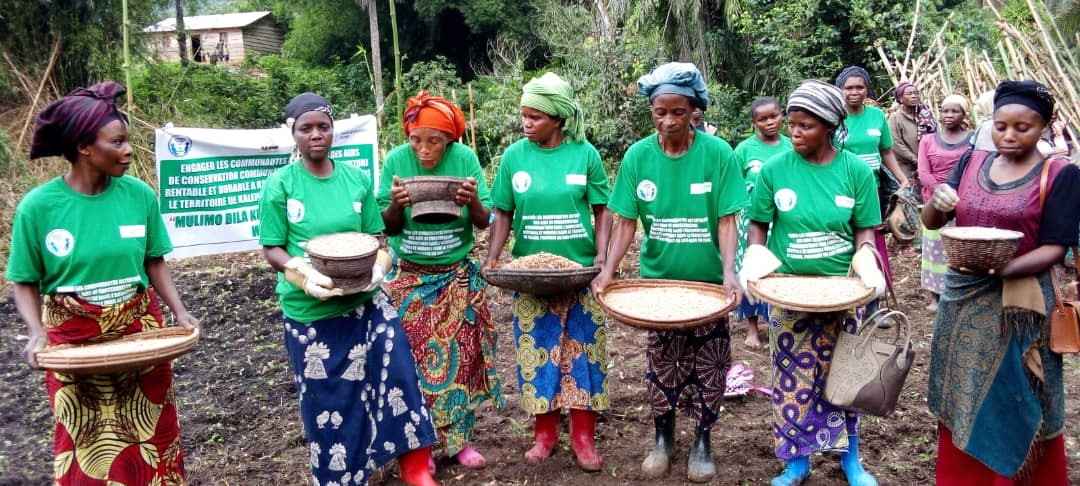
The means and techniques of production, which are still very rudimentary and not very sustainable, lead to low agricultural output, characterized by low local consumption. This situation requires communities to fully commit to the principles and techniques of agroecology and to respect the related disciplines. Capitalizing on all available knowledge is essential to promoting increased production. Low production and low consumption can lead to the abandonment of certain seeds in favor of a monopoly of others, which is also a danger to the protection of biodiversity because it profoundly affects traditional habits and lifestyles.
Read more 13th
10/2025
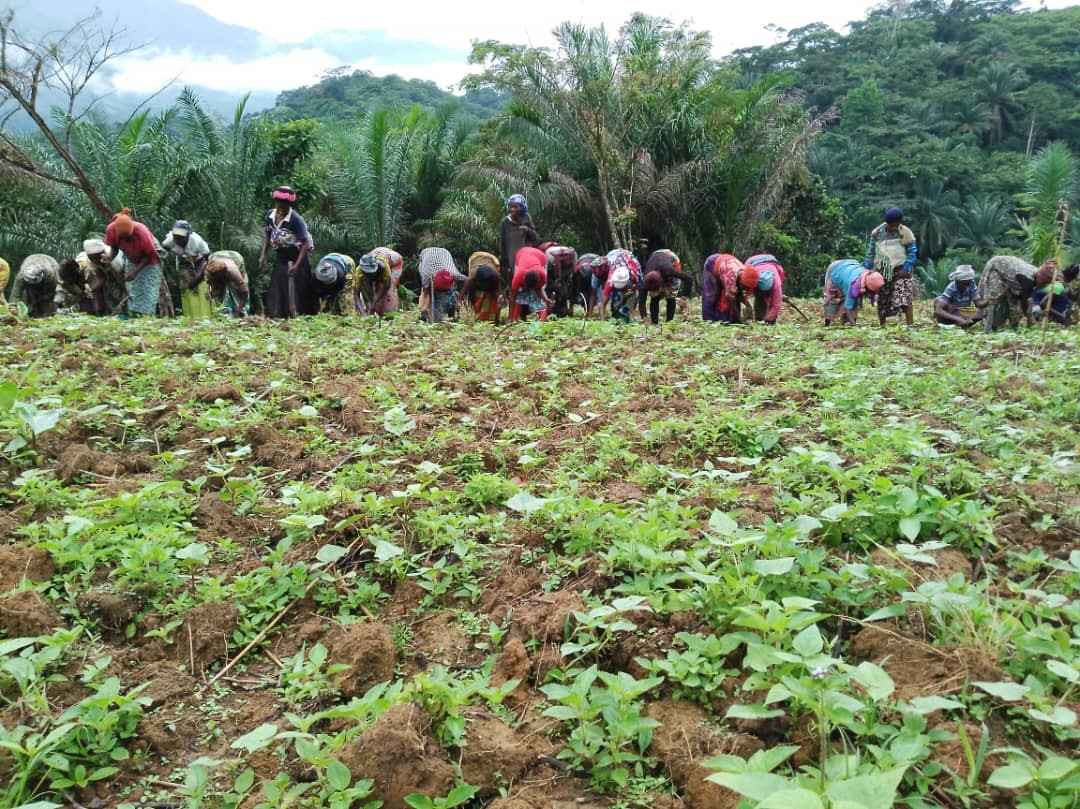
Food autonomy and sovereignty are fundamental bases for the self-determination of communities within their conservation areas and territories. While these communities make significant efforts to protect their traditional lands, with a considerable impact on maintaining biodiversity, these efforts can only be sustainable through the improvement and enhancement of their livelihoods, which are based on the local use of natural resources and agricultural production.
Read more 13th
10/2025
Under the guidance of the ANAPAC consultant and the agronomist from MAHARIFA YA WAMAMA VIJIJINI, the focus was placed on related disciplines connected to agroecological principles, which are crucial for improving production. A training session was organized to remind the communities about the choices to be made regarding seeds and the areas to be farmed. Disregarding seed selection criteria and a lack of proper management of the farming sites can lead to insufficient production.
Read more 13th
10/2025
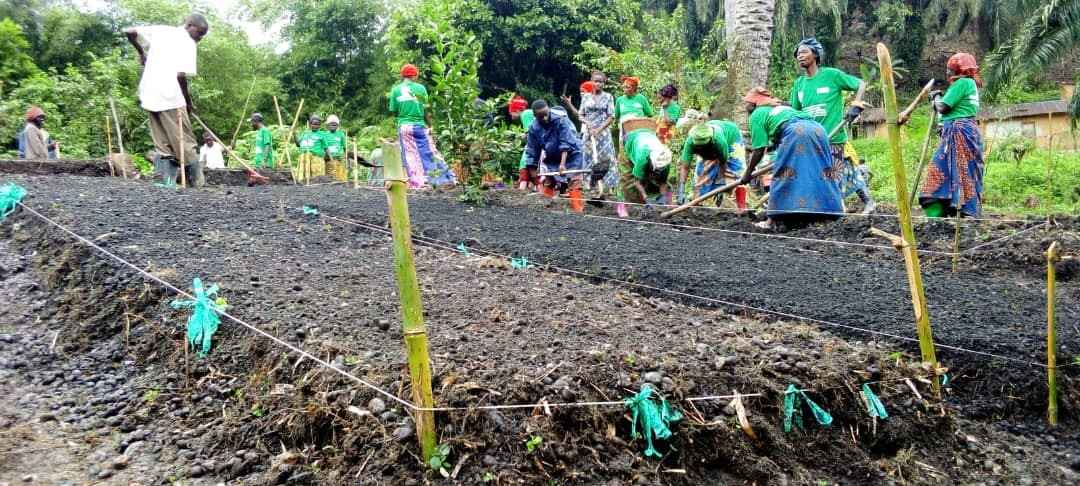
Community conservation areas must have planning and management documents, including zoning, so that the different areas are allocated to specific uses such as conservation, resource exploitation, agriculture, and sustainable utilization. Agroecology should play a major role, particularly in the areas designated for exploitation, to enable communities to apply the knowledge acquired on agroecological principles. This would allow them to actively participate in protecting biodiversity and preventing climate change.
Read more 13th
10/2025
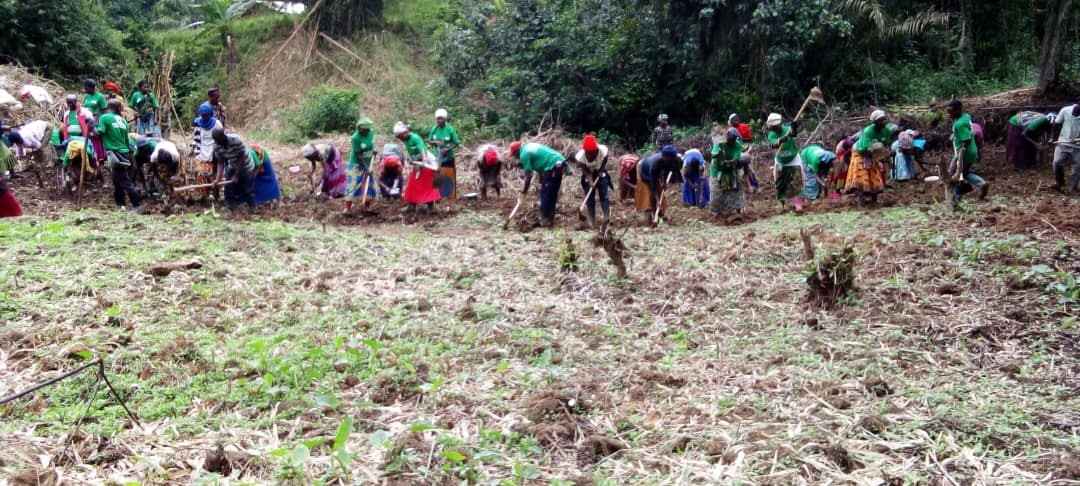
Indigenous and rural women, along with young people, were the direct beneficiaries and key actors of the initiative. They prepared and executed the activities, while other groups were involved in strategies to enhance production value. This involvement facilitated an increase in agricultural income and strengthened food security.
Read more 13th
10/2025
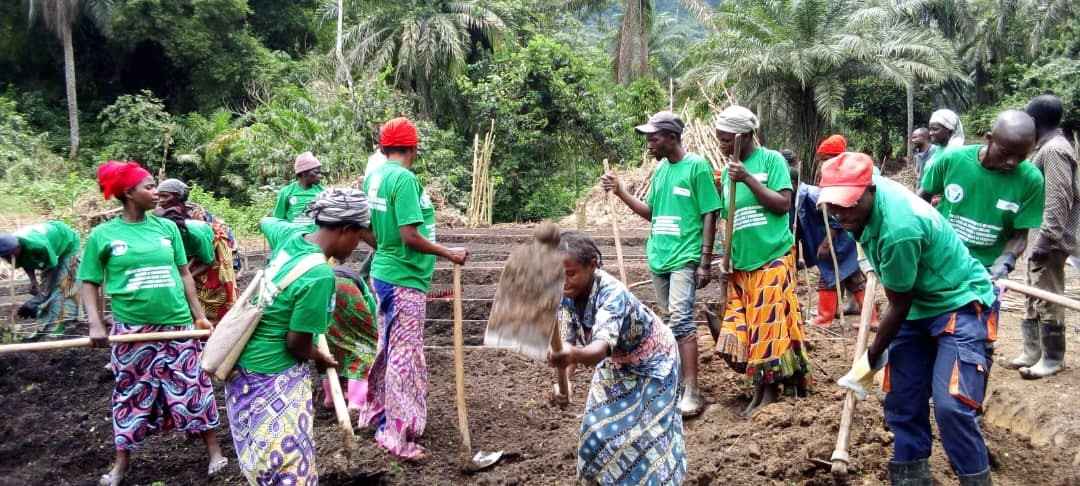
Agroecology is not yet a sufficiently developed approach and method in community conservation areas. It is therefore crucial to promote it to encourage communities to engage in protective techniques that also help curb deforestation.
Read more 13th
10/2025
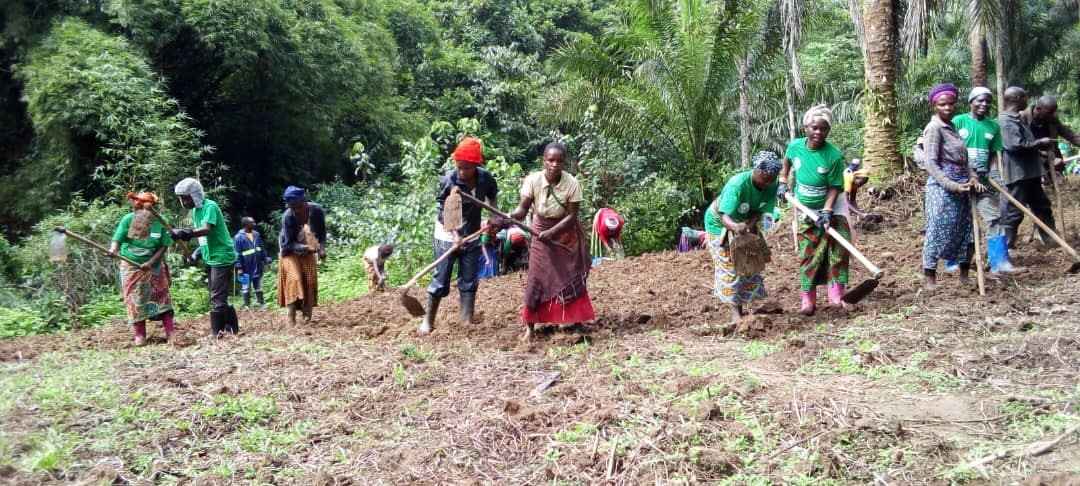
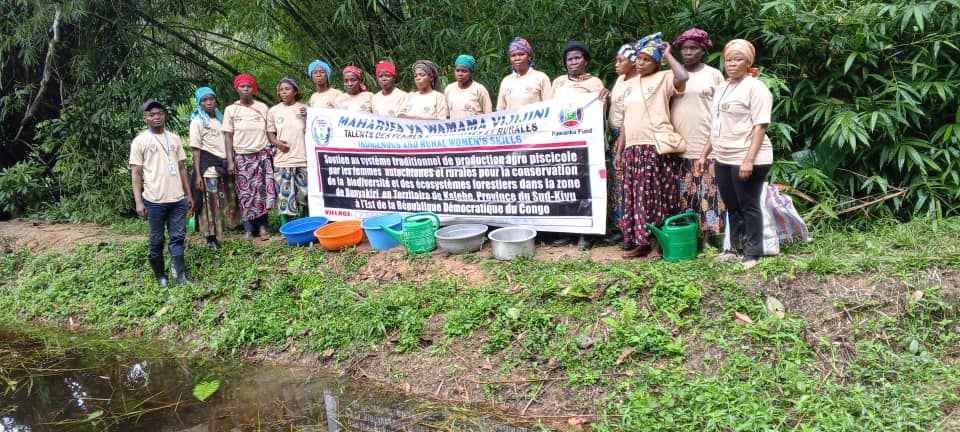
The initiative supported actions aimed at strengthening community resilience against threats to biodiversity. Non-sustainable farming techniques destroy biodiversity, and, conversely, food insecurity can lead to its degradation. To break this vicious cycle, communities were trained in agroecological farming practices, including the abandonment of slash-and-burn methods. The illustration above is an example of this.
Read more 10th
10/2025

Through this initiative, 3 villages have engaged in agroforestry, using the related techniques as a method of agricultural production, and are committed over time to adding value to their products through processing, sales, and improved incomes. Illustrative photos taken after the agroforestry training session.
Read more 5th
10/2025
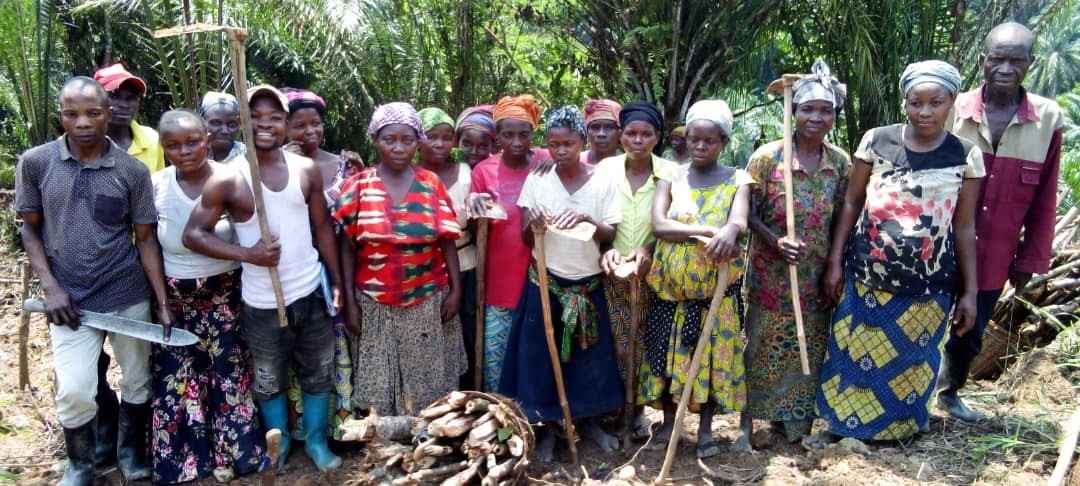
With the aim of strengthening and securing the collective commitment and responsibilities of indigenous peoples and local communities for the conservation of biodiversity and sustainable livelihoods, Maharifa ya wamama ensures the respect for the cultural diversity and the individual and collective rights of these peoples and communities by integrating them as stakeholders for improved conservation.
Read more 5th
10/2025
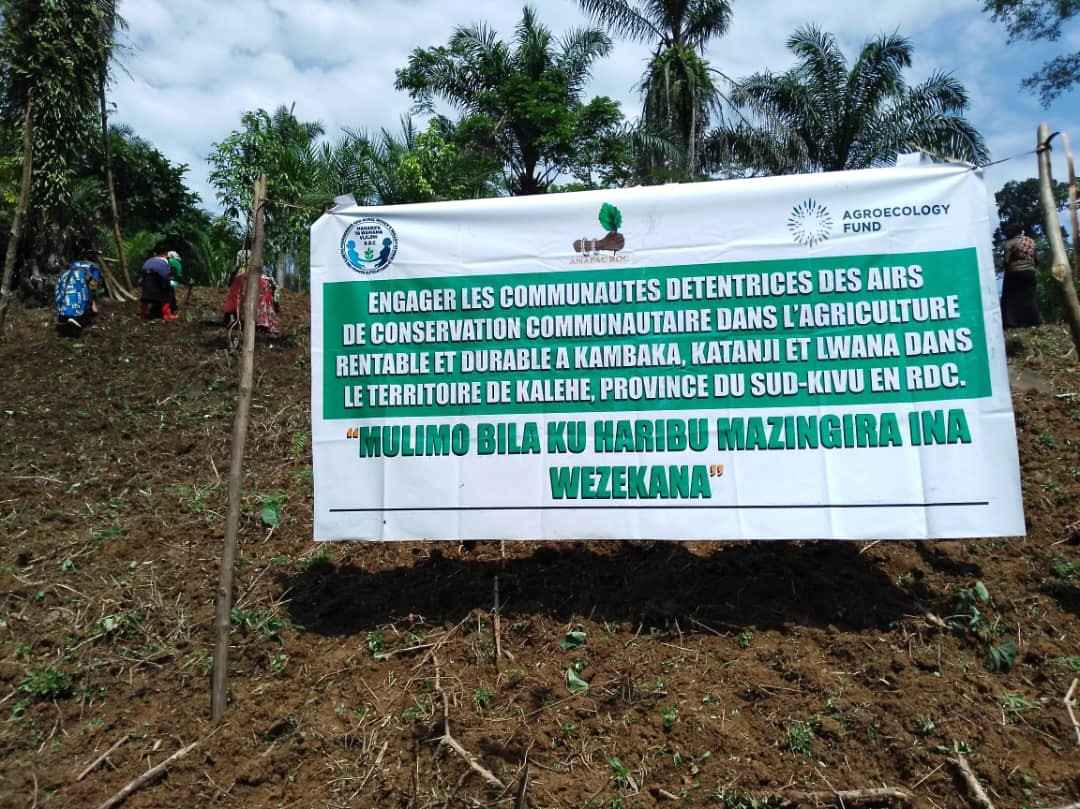
Engaging communities that hold community conservation areas in profitable and sustainable agriculture in the territory of Kalehe and MWEKA in the province of South Kivu and Kasai in the Democratic Republic of Congo; advancing the agroecological transition in the production, processing, and marketing of food was the priority theme of the submission of this project to the Agroecology Fund by Maharifa ya wamama vijijini in collaboration with ANAPAC and the community solidarity of indigenous women from the BATWA –KADIMA community area in MWEKA.
Read more 20th
04/2025
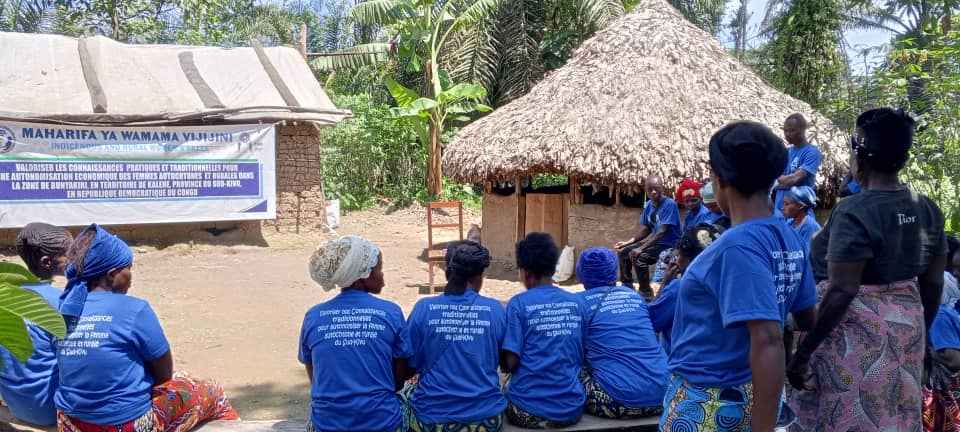
During monitoring and evaluation activities and preparation of the mid-term report, an assessment session was held with the facilitator, involving committee members and representatives from the five women’s groups. The goal was to evaluate the progress of processing activities and assess the women’s management capacity.
Read more 20th
04/2025
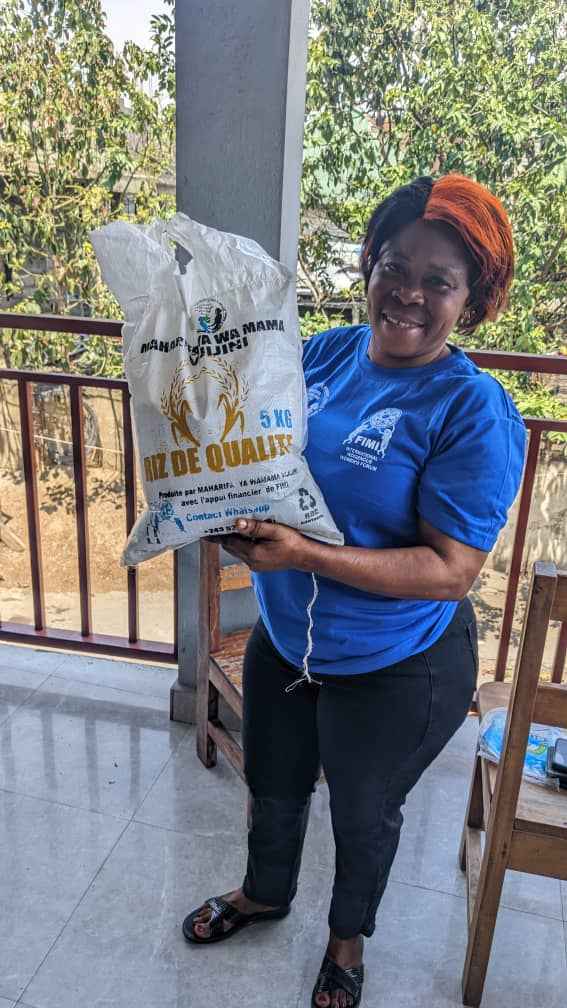
We can consume organic and local, with commitment and involvement, by promoting the inclusion of Indigenous and rural women in sustainable agriculture and responsible land use. This not only protects biodiversity and mitigates climate change but also upholds nutritional health—one of the pillars of human well-being. Ensuring women’s land rights is critical to improving human welfare. Respecting the rights of Indigenous women sends a powerful message about protecting humanity as a whole.
Read more 20th
04/2025
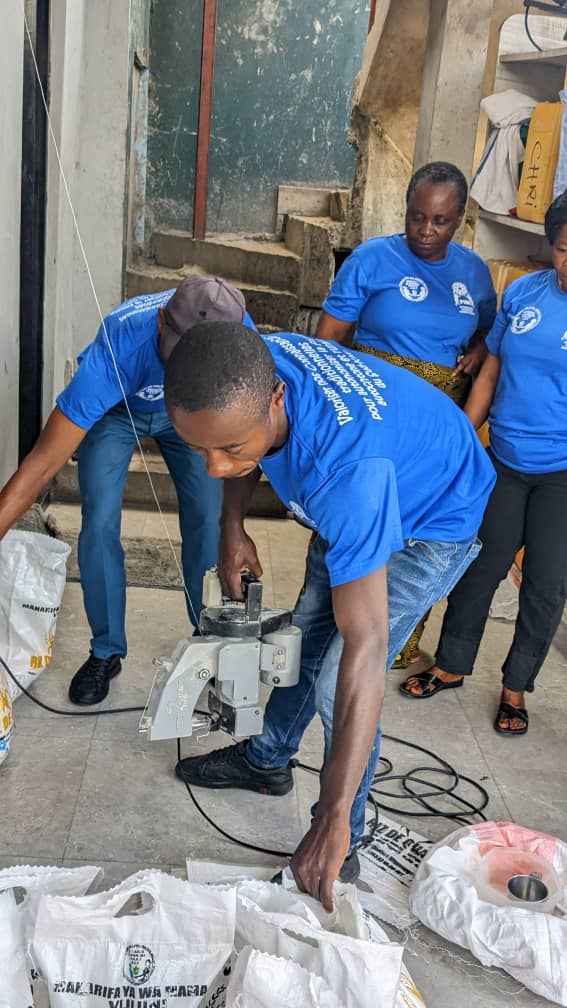
Ongoing capacity-building sessions are conducted with the team to ensure high standards in packaging the processed products.
Read more 19th
04/2025
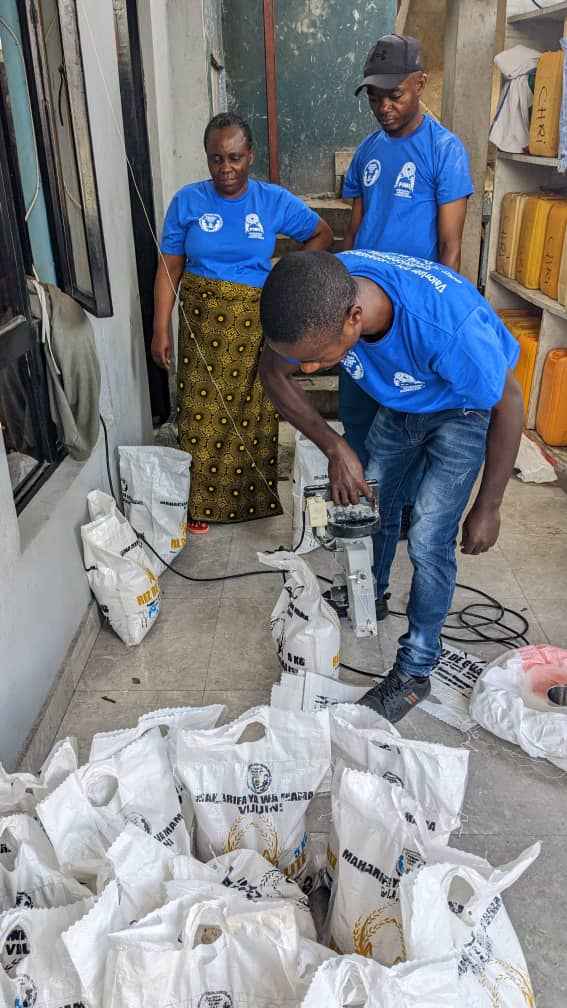
The image illustrates how the processed products are packaged before reaching the market. The technician trains the Maharifa team on how to properly seal the packaging to ensure hygiene and protect the contents from pests such as rodents and cockroaches.
Read more 19th
04/2025
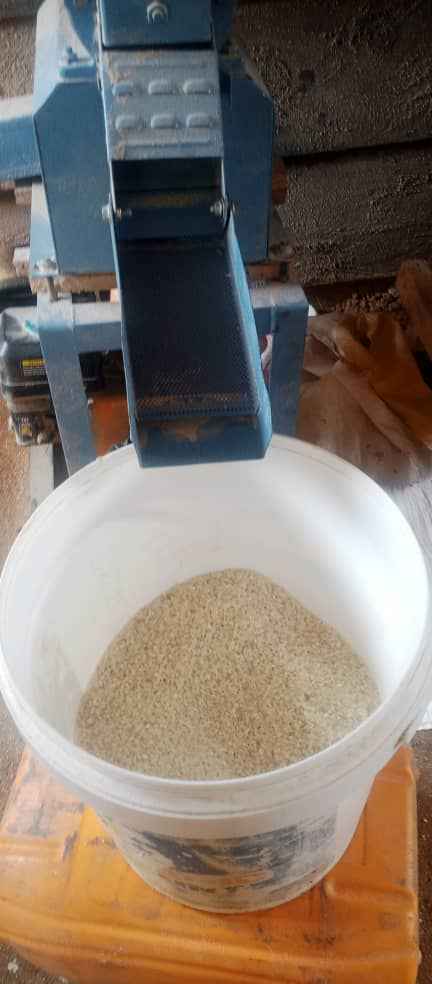
As part of functionality checks, the technician demonstrated rice processing and reassured the women regarding the quality and reliability of the equipment they received.
Read more 19th
04/2025
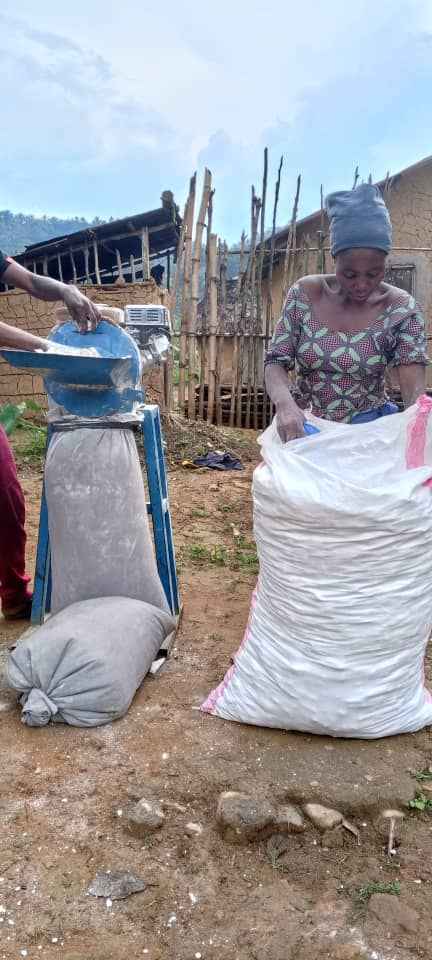
This approach is part of a broader effort to ensure secure income generation and proper oversight by the women involved.
Read more 19th
04/2025
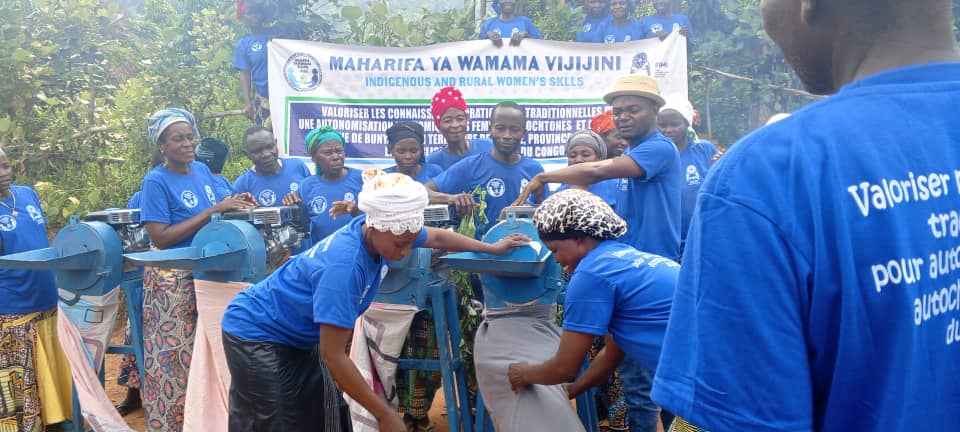
After assembly, the technician ensures the proper functioning of the machines, which were provided by Maharifa ya Wamama with the support of Aynfound, under the coordination of FiMI.
Read more 19th
04/2025
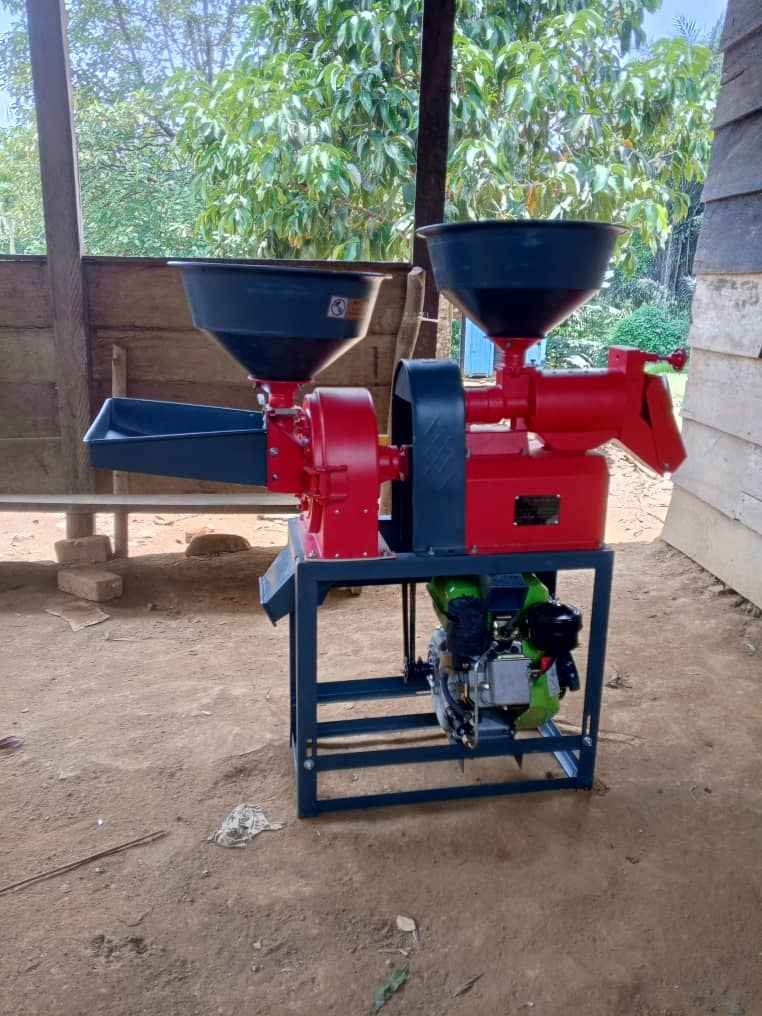
. This is one of the multifunctional mills used for the processing of cereals such as rice, soy, maize, sorghum, millet, and others. These mills are shared resources across the five sites supported by the Aynfound-funded project.
Read more 19th
04/2025
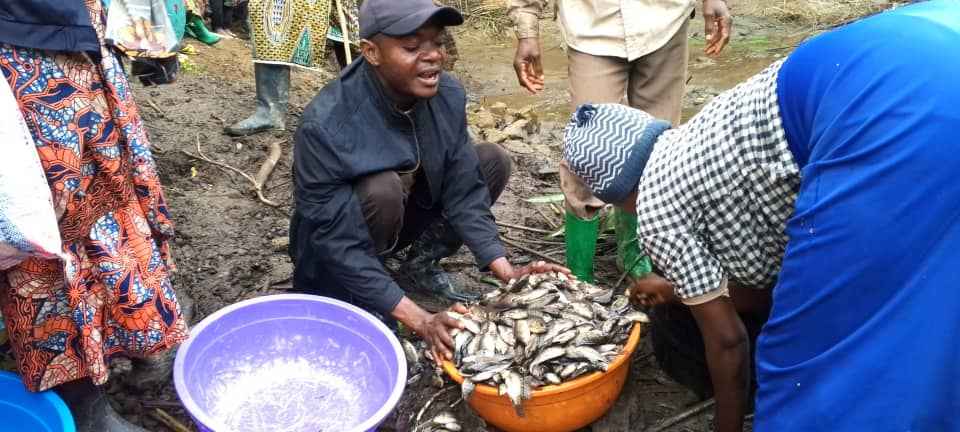
After the training on the effects of climate change, which do not spare the existence of other biological organisms or even their disappearance, the women received training on fish farming to ensure good health in their families and communities because human health requires a healthy and balanced diet. In addition to the availability of cereals which are a constructive caloric food, the human body needs protein foods whether animal or vegetable, man needs them. Imbalances between this reality can cause disorders in human health and bring families and communities into a picture of diseases caused by certain protein deficiencies or even kwashiorkor
Read more 19th
04/2025
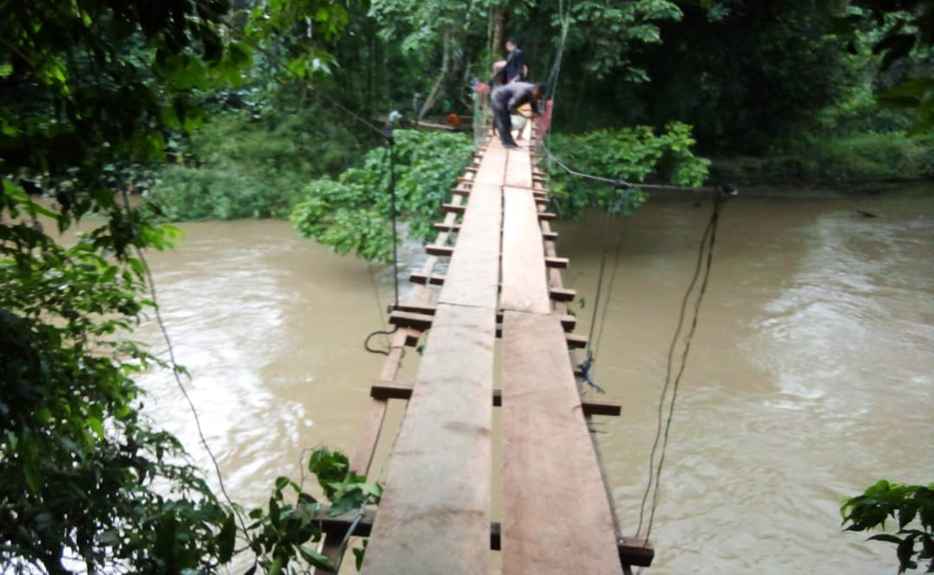
Provision of equipment and construction of two bridges to facilitate the evacuation of agricultural services for indigenous and rural women in order to increase their cash flow and maximize their agro-ecological savings. These bridges will serve as exchanges between two groups and towards two cities that can connect these two groups from the city of BUKAVU in the province of South Kivu whose agricultural products can reach the capital of the DRC via the city of Goma (North Kivu) which is connected by the city of South Kivu which receives the agricultural products of these two groups.
Read more 19th
04/2025
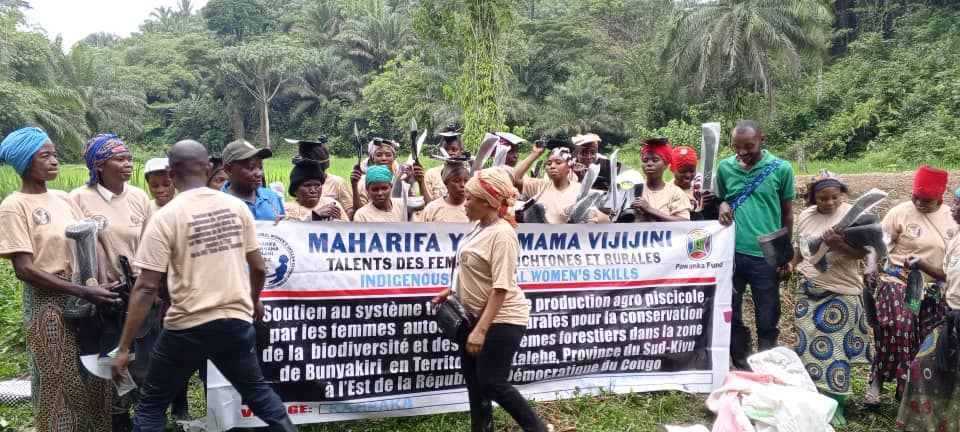
Rehabilitation of 3 kilometers of agricultural services after the provision of equipment for the evacuation of agricultural products and maximizing agro-ecological savings among indigenous and rural women, whose economy is based on agriculture and artisanal products.
Read more 19th
04/2025
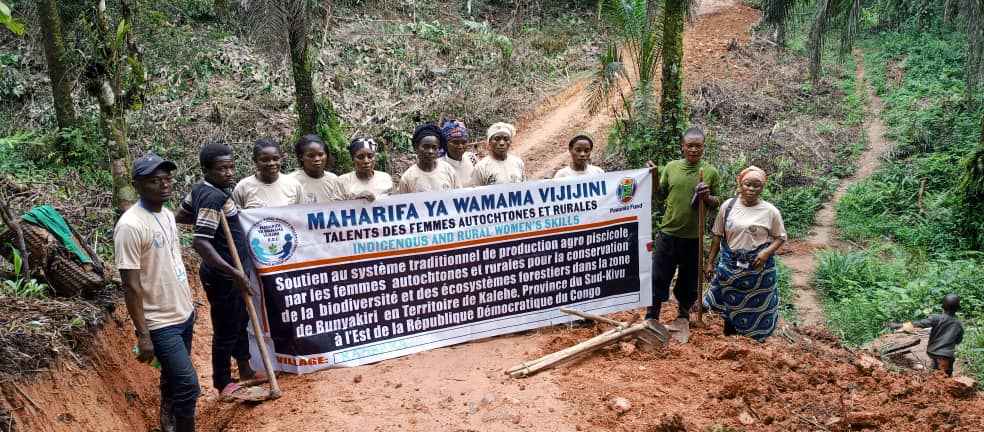
Provision of inputs for the rehabilitation of 3 kilometers of agricultural access roads and two bridges for the evacuation of agricultural products in order to access the right market in order to increase the cash flow and enable the empowerment of indigenous and rural women. Family photo after the said awareness-raising
Read more 12th
04/2025
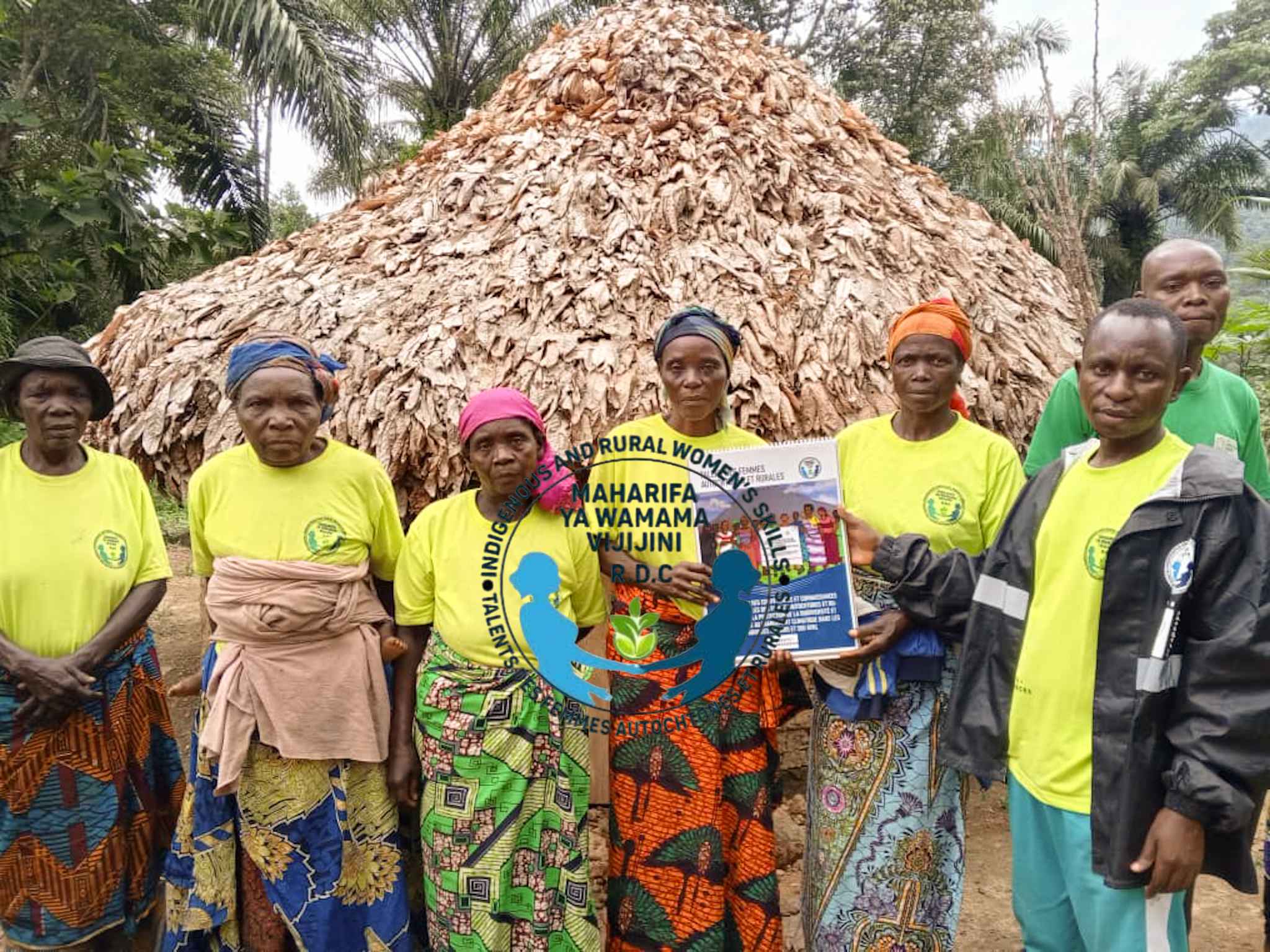
Illustrative photos following the capacity-building and demonstration on the effectiveness of indigenous approaches to natural resource management and climate change adaptation, intended to support awareness models on the values and contributions of indigenous communities, as well as to promote their inclusion in the process of formulating inclusive and equitable policy frameworks.
Read more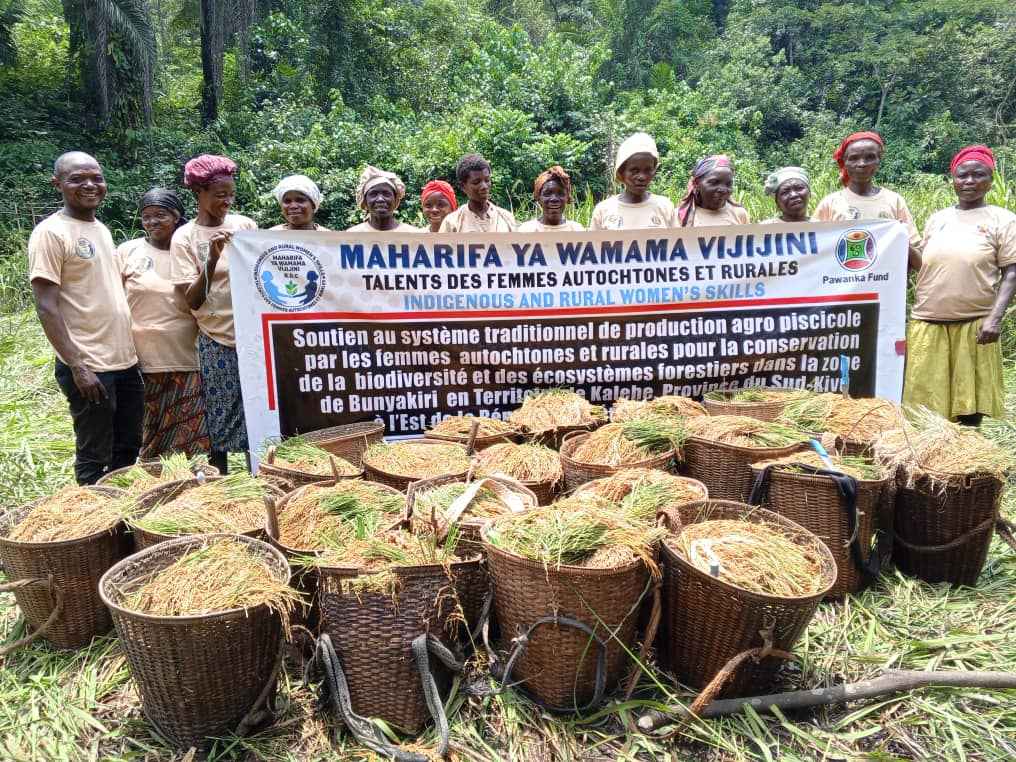
21st
03/2025
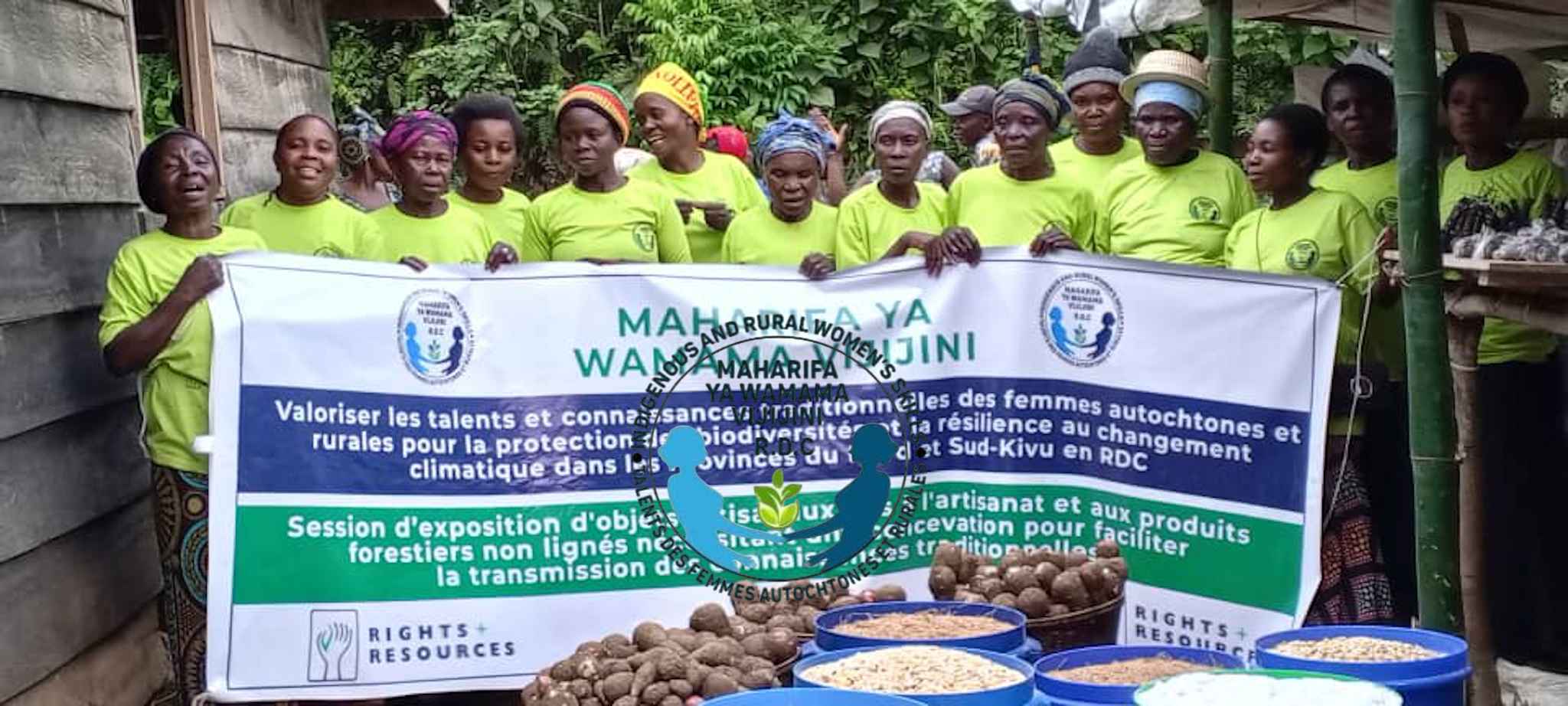
Delivery of equipment for the proper functioning of the shelters built by MAHARIFA YA WAMAMA VIJIJINI, supported by RRI in the project "Valuing the talents and traditional knowledge of indigenous and rural women for the protection of biodiversity and resilience to climate change in the North and South Kivu provinces of the DRC"
Read more 19th
03/2025
The Right Resource (RRI) project continues to play a key role in biodiversity conservation
Read more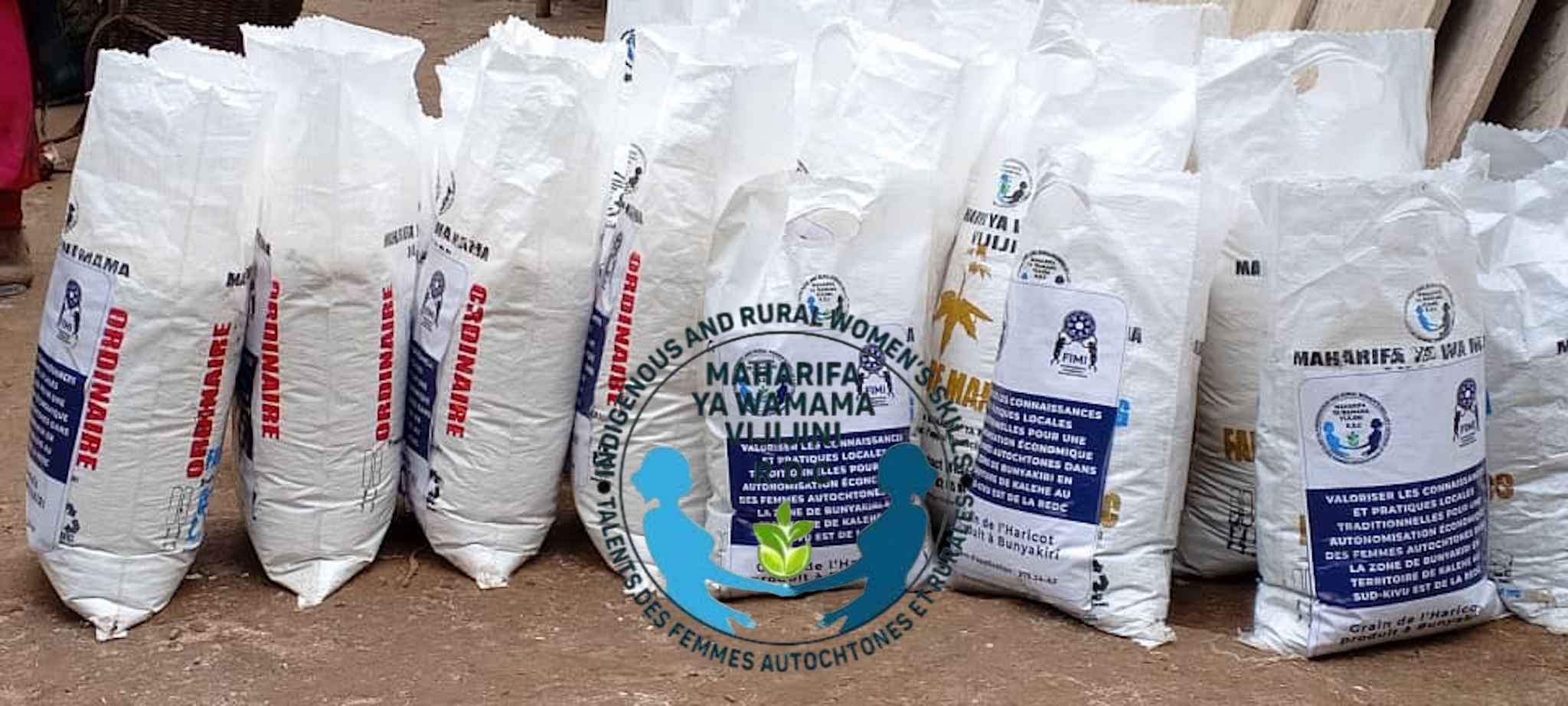
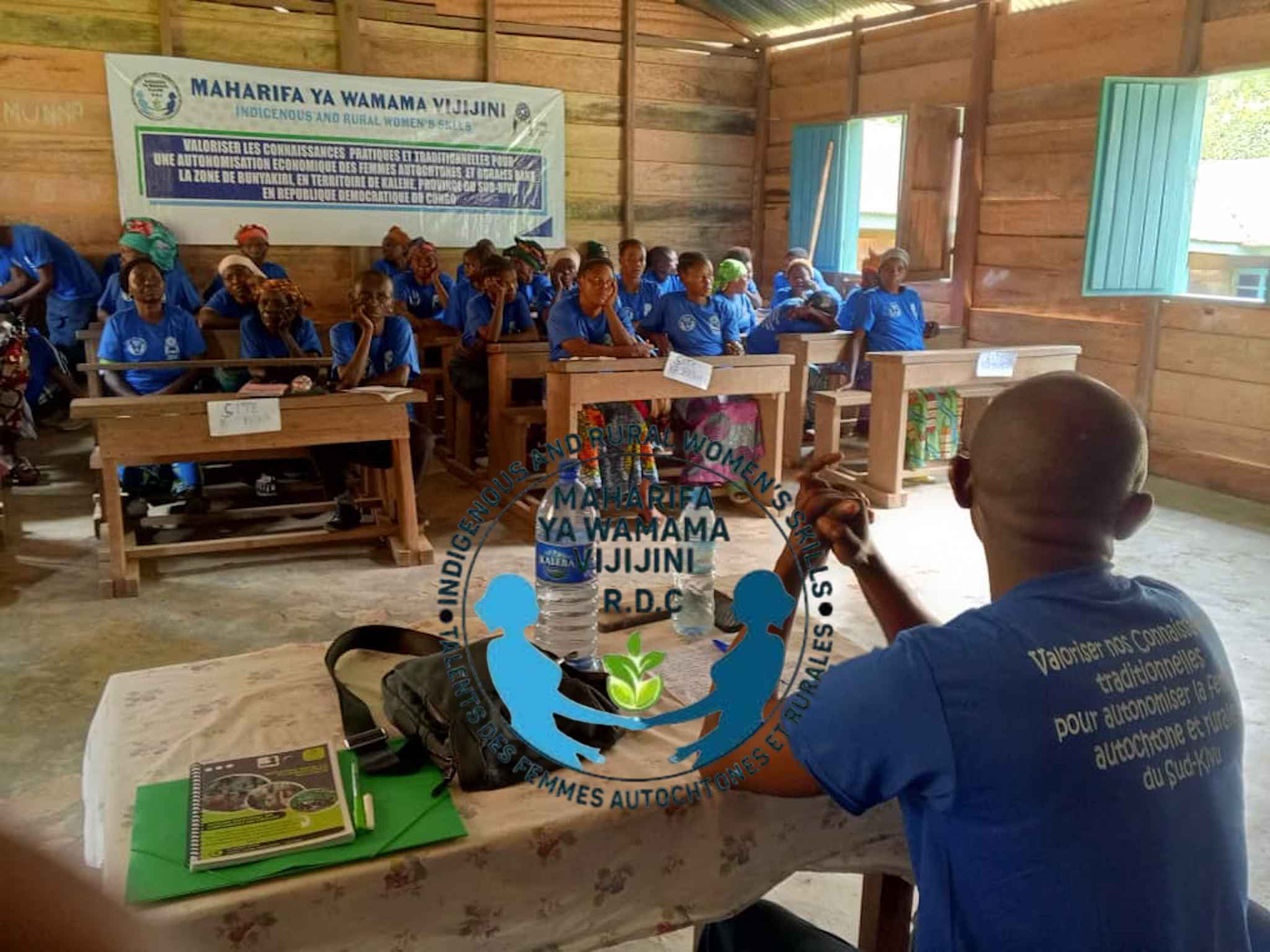
16th
03/2025
.jpg)
To strengthen the processing capacities and improve the efficiency of the groups, five cassava mills and two multi-purpose mills (for rice and maize) were distributed.
Read more 15th
03/2025
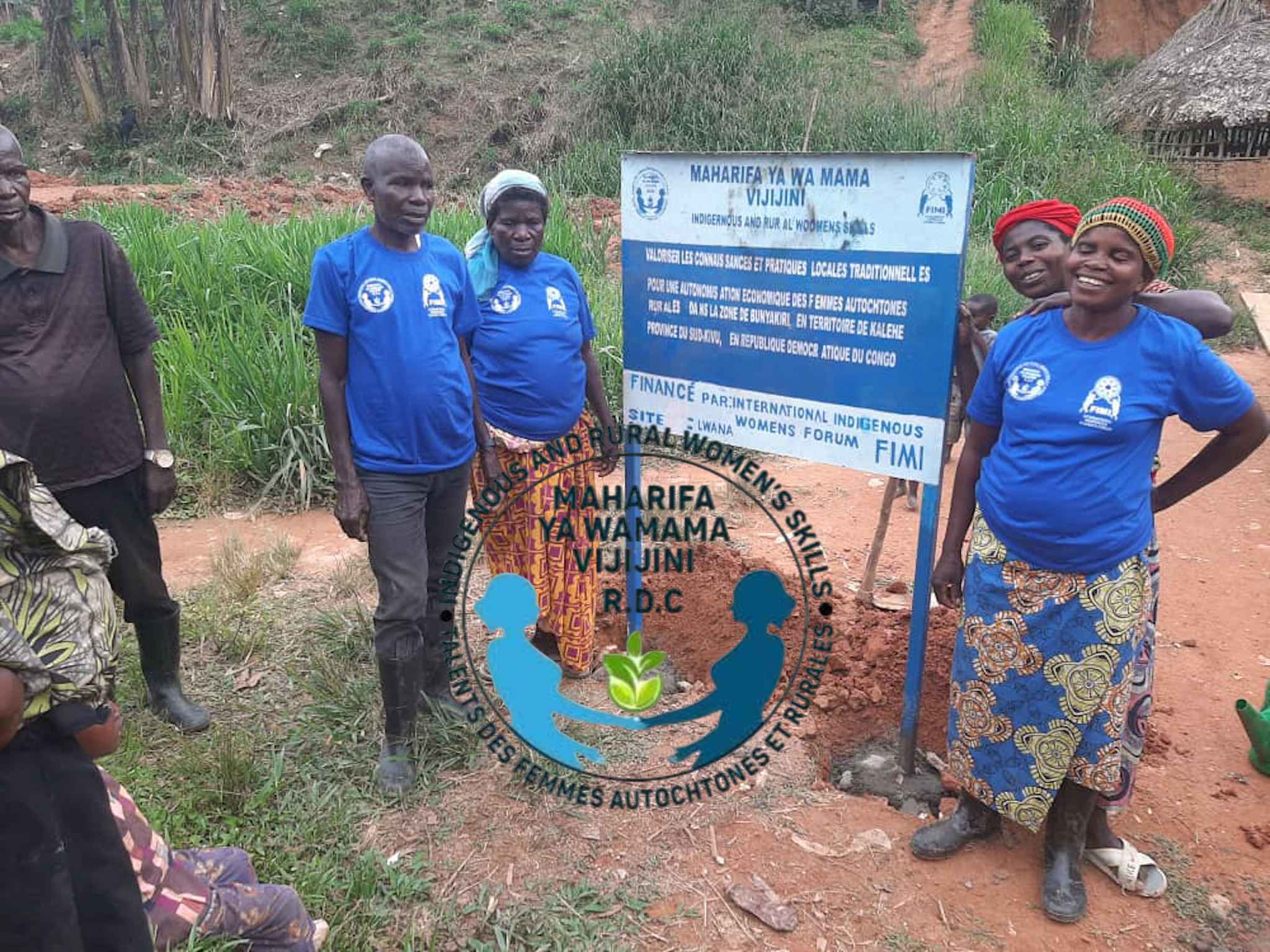
Provision of Advertising Billboards to Ensure the Visibility of Agricultural Products
Read more 14th
03/2025
.jpg)
FIMI, in partnership with MAHARIFA, has launched an initiative aimed at strengthening the visibility and capabilities of women farmers through the provision of modern processing equipment.
Read more 14th
03/2025
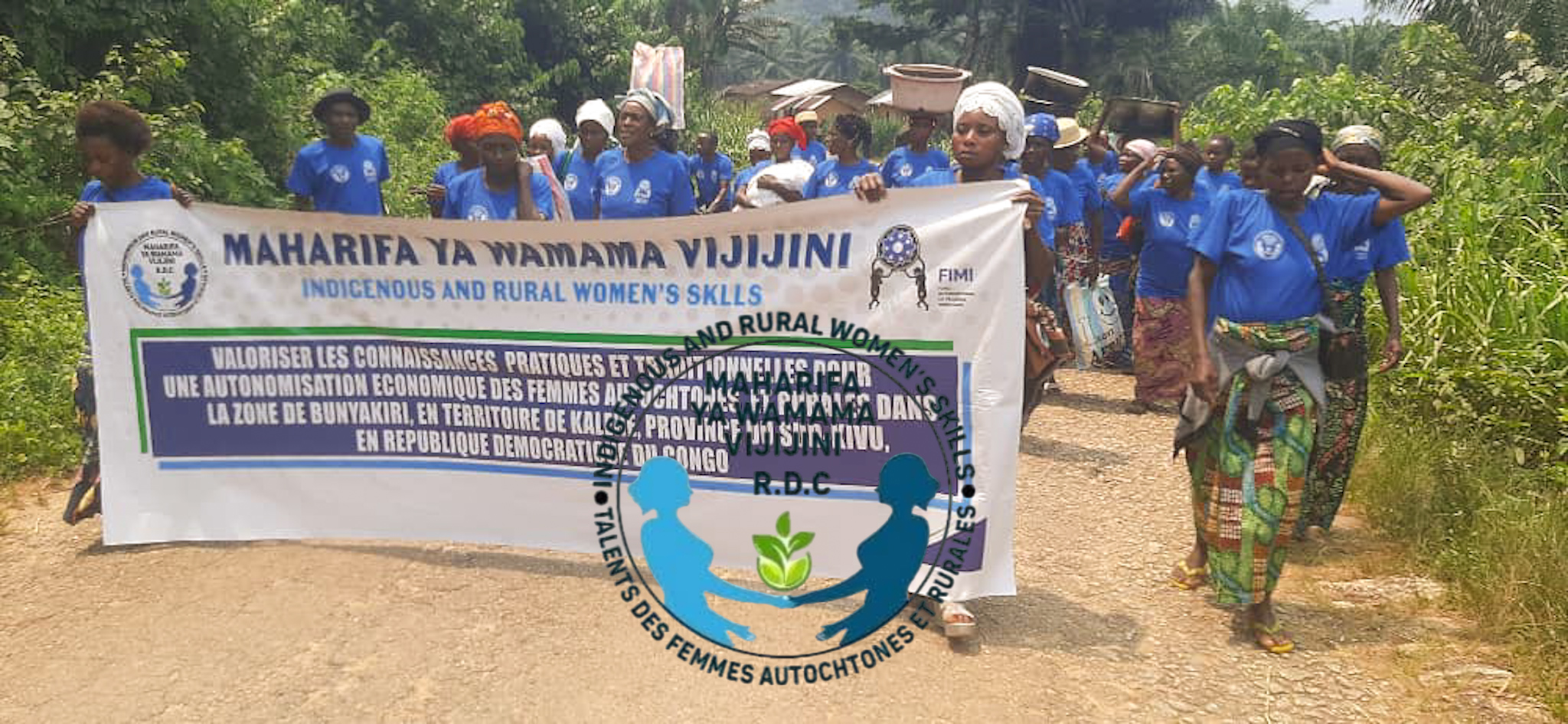
FIMI (International Indigenous Women's Forum), enabled five women’s groups to access resources for processing their agricultural products.
Read more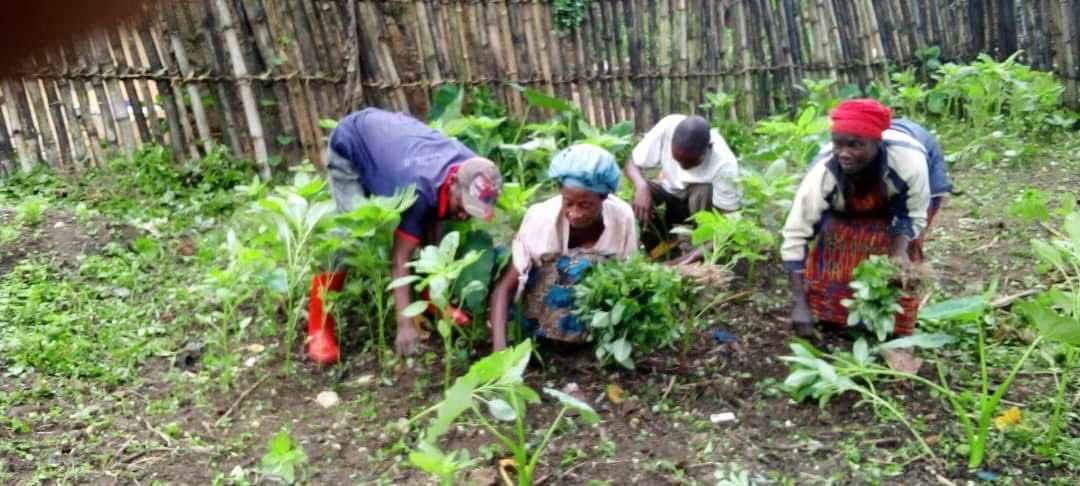
Our partners