English
 French
Preparatory activities for the training site on rice cultivation integrated with fish farming were carried out to promote the traditional knowledge and values of indigenous and rural women, as well as their contribution to biodiversity conservation and climate change mitigation. A fishpond was prepared to serve as a training venue for five women's groups on rice-fish farming techniques.
Posted on 12/04/2025 - Category: General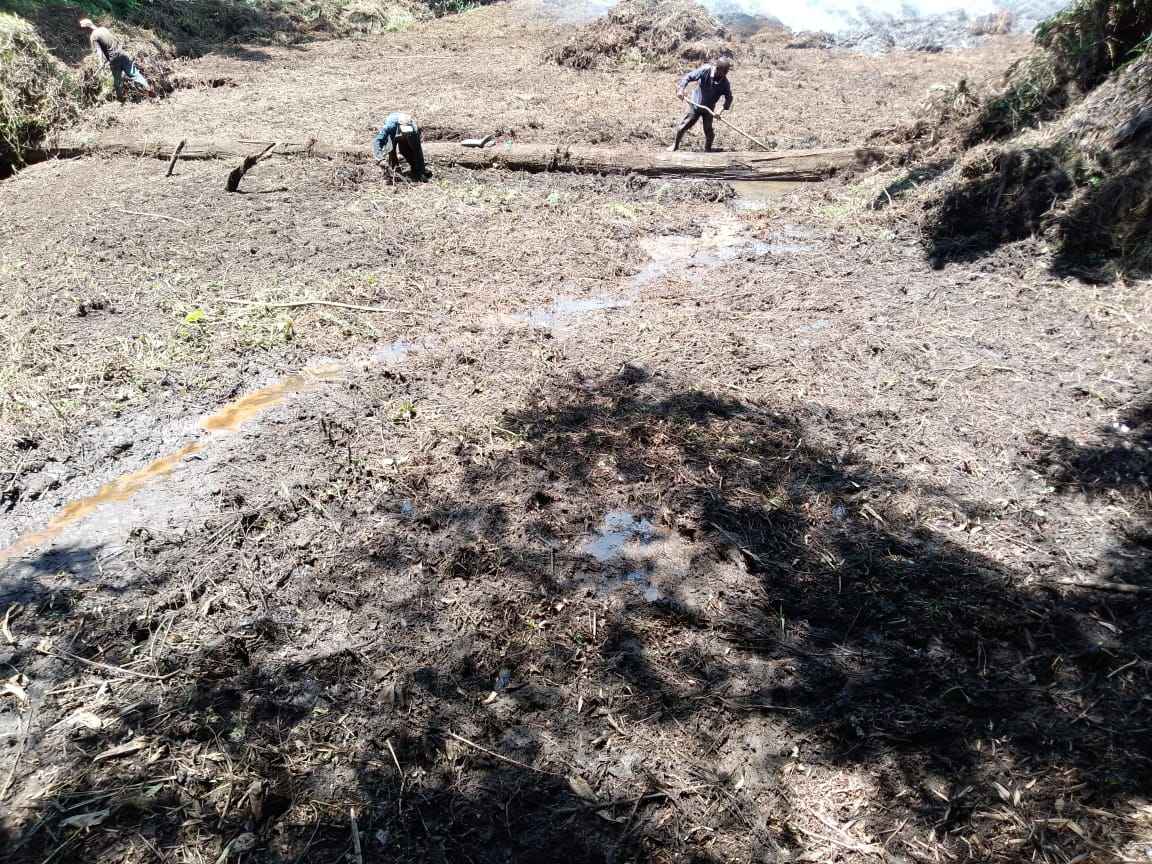
Featured
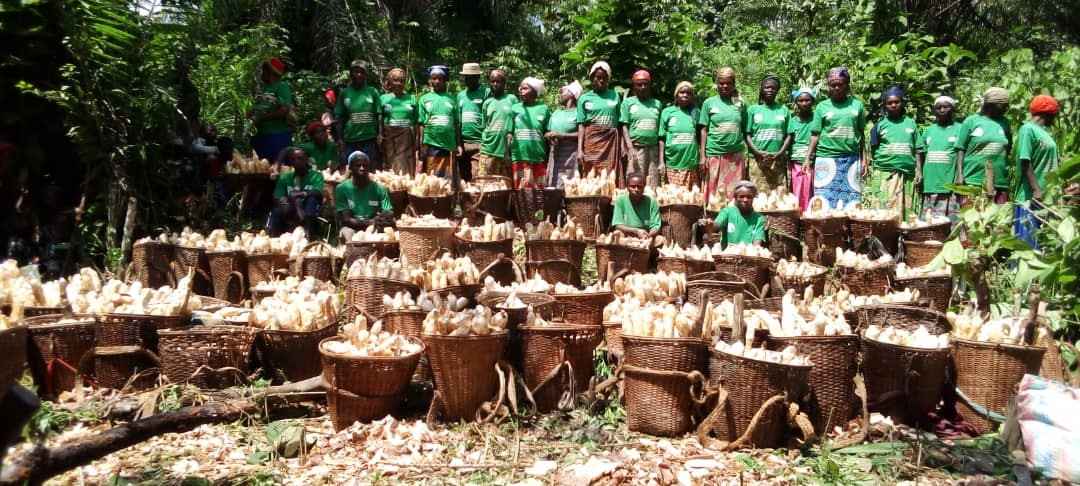
Following the training in agroecological techniques, the women acquired technical knowledge and farming practices that allowed them to improve their production while safeguarding biodiversity.
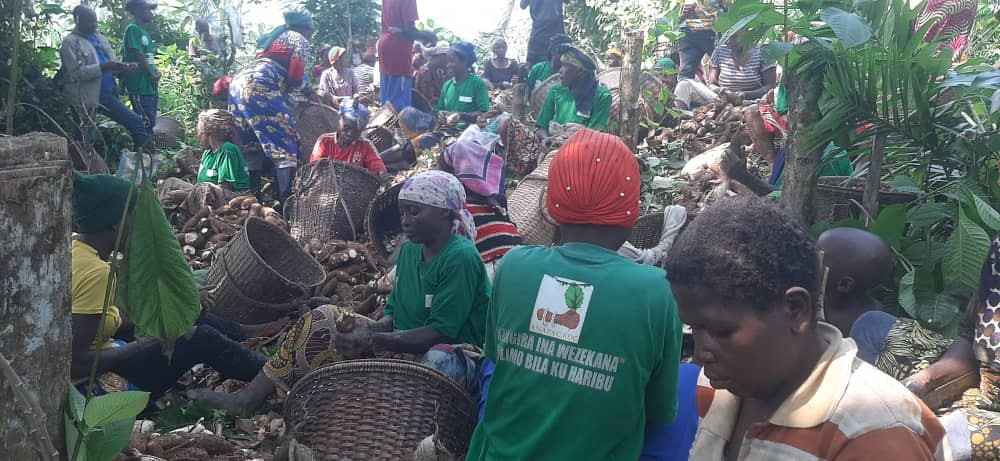
Indigenous and rural women are responsible for implementing the initiative's activities and developing production and value-addition strategies. For example, they harvested six hectares of cassava tubers, which they then processed and sold, thereby increasing their income.
The means and techniques of production, which are still very rudimentary and not very sustainable, lead to low agricultural output, characterized by low local consumption. This situation requires communities to fully commit to the principles and techniques of agroecology and to respect the related disciplines. Capitalizing on all available knowledge is essential to promoting increased production. Low production and low consumption can lead to the abandonment of certain seeds in favor of a monopoly of others, which is also a danger to the protection of biodiversity because it profoundly affects traditional habits and lifestyles.
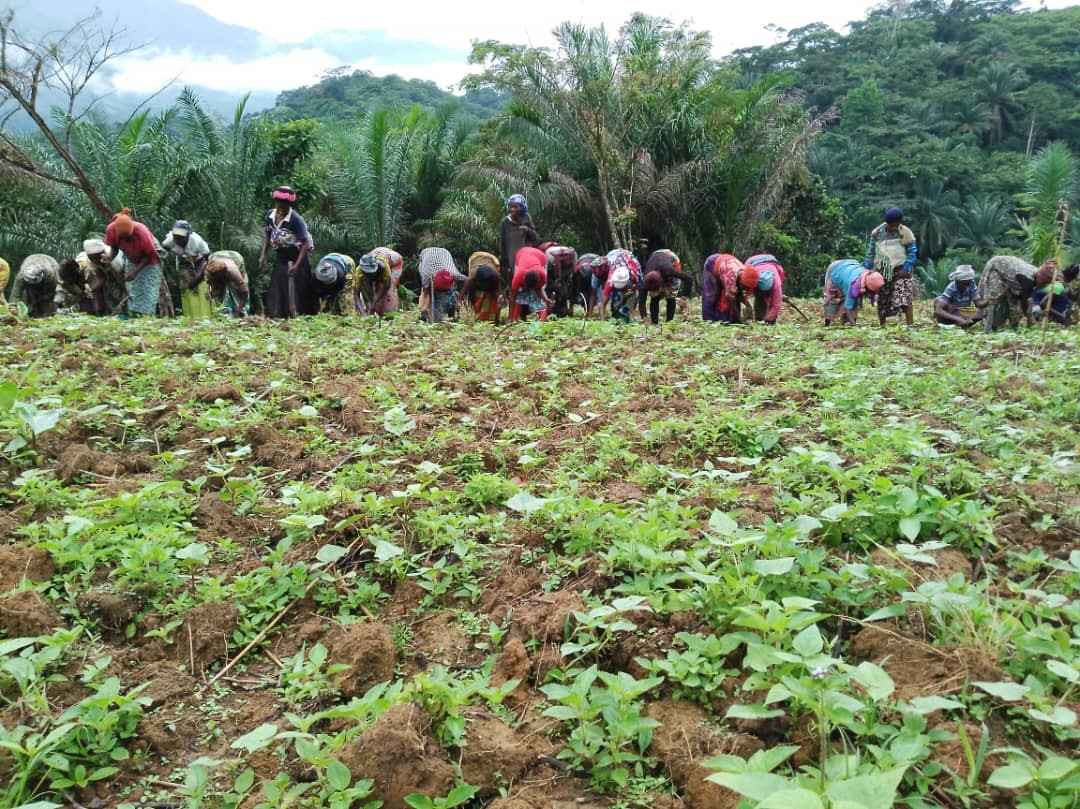
Food autonomy and sovereignty are fundamental bases for the self-determination of communities within their conservation areas and territories. While these communities make significant efforts to protect their traditional lands, with a considerable impact on maintaining biodiversity, these efforts can only be sustainable through the improvement and enhancement of their livelihoods, which are based on the local use of natural resources and agricultural production.
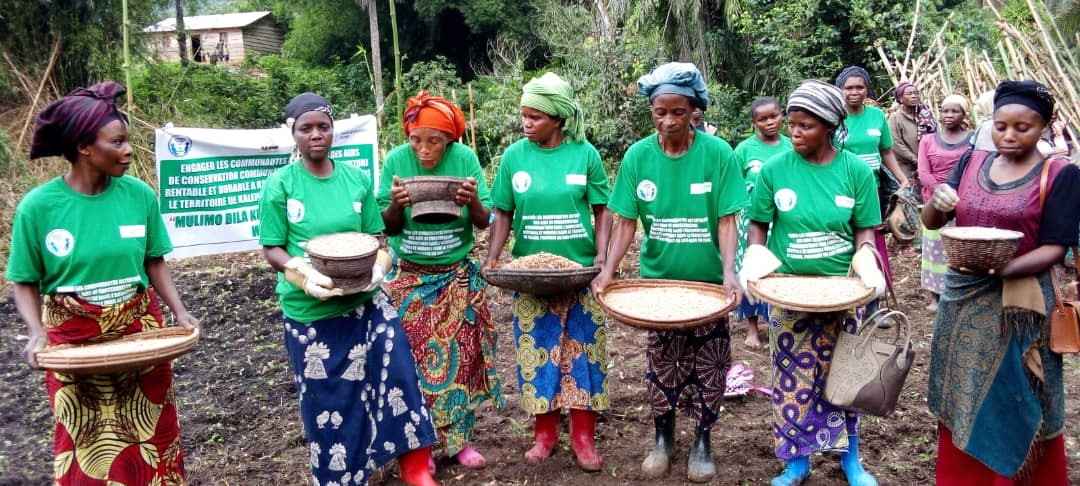
Under the guidance of the ANAPAC consultant and the agronomist from MAHARIFA YA WAMAMA VIJIJINI, the focus was placed on related disciplines connected to agroecological principles, which are crucial for improving production. A training session was organized to remind the communities about the choices to be made regarding seeds and the areas to be farmed. Disregarding seed selection criteria and a lack of proper management of the farming sites can lead to insufficient production.
Categories
Our partners